Chimney Leak Repair in King William: What to Look For
Chimney leak repair in King William starts with knowing the signs: rusted dampers, stained ceilings, crumbling mortar, and water in the firebox after a storm.
The short answer: look for water staining on the ceiling or chimney breast, rust on the damper or firebox, crumbling mortar at the crown, and daylight around the flashing where the chimney meets the roof. Chimney leak repair in King William what to look for comes down to those four visual checks, plus one smell - a musty, ash-and-mildew odor in the attic after a hard rain. In this post we walk through why these historic 1880s-1920s masonry chimneys leak, what each sign actually means, what 2026 repair pricing looks like in this part of San Antonio, and when it is time to stop patching and call us.
We are Roof Leak Repair San Marino, and we have climbed more than our share of King William roofs - the steep Victorian pitches, the original cedar shingle decks under newer asphalt, the chimneys that have been repointed twice and still weep every spring.
Why Chimney Leaks Happen in King William
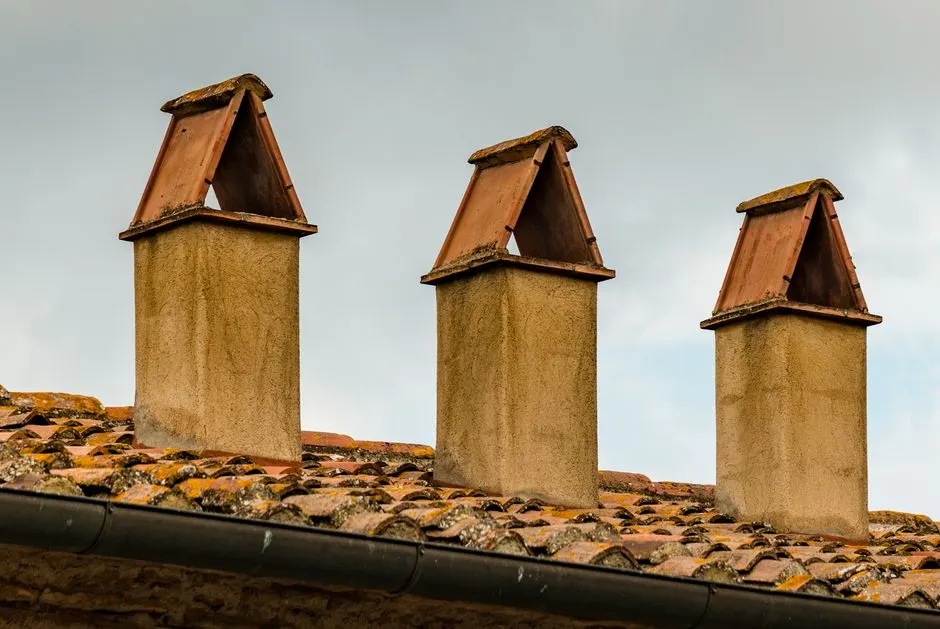
King William chimneys leak because they were built before modern flashing standards existed, and the masonry has spent 100-plus years absorbing San Antonio's humidity, hail, and freeze-thaw cycles. The neighborhood's housing stock dates from roughly 1880 to 1925, which means most chimneys here are solid brick with lime mortar - a material that is softer than the Portland cement many contractors repoint with, and that fails differently.
Chimney leak repair in King William is the process of finding where water enters a masonry chimney system and sealing it at the source - crown, flashing, mortar joints, or flue - rather than painting over the symptom. Water gets in four ways here:
- Crown cracks. The concrete cap on top of the chimney expands and contracts with every 100°F San Antonio summer day and every 25°F winter night. Hairline cracks open within 10-15 years and let water straight down the flue.
- Flashing failure. The metal that seals the chimney-to-roof joint is the single most common leak point we find. On King William's older roofs, that flashing is often original galvanized steel that has rusted through.
- Spalling brick and open mortar joints. When brick faces flake off or mortar recedes more than about 1/4 inch, water wicks into the wall.
- Missing or cracked flue tile. A cracked clay flue liner lets water and combustion gases migrate into the surrounding brick.
We see the same pattern across Chimney Leak Repair in San Marino, Texas - the fix is almost never one thing. It is the crown, the flashing, and two courses of brick all at once.
What Should I Look For in a Chimney Leak in King William?
Look for water where water should never be: on the ceiling around the chimney chase, inside the firebox after a rain, and on the metal damper. Start inside the house, because interior evidence tells you the leak is real before you ever get on the roof.
Here is the order we check when a King William homeowner calls us about a chimney leak:
- Ceiling and attic. Brown rings, bubbling paint, or a soft spot on the drywall near the chimney. In the attic, look for dark streaks on the roof decking and wet insulation.
- Firebox. A rusted damper, flaking firebrick, or standing water in the firebox floor after a storm.
- Chimney breast. White chalky stains (efflorescence) on the interior brick mean water is moving through the masonry.
- Exterior crown and flashing. From the ground, look for a cracked crown, missing mortar, and any gap where the flashing meets the brick.
- Smell. A damp, smoky, musty odor in the attic or upstairs hallway after rain.
If you see two or more of those, you have a chimney leak - not condensation, not a roof leak somewhere else. We confirm it with a professional roof leak detection San Marino visit, which uses moisture meters and a hose test to trace exactly where the water is entering.
Signs of a Chimney Leak in King William TX
Signs of a chimney leak in King William TX show up in a predictable order: smell first, then interior staining, then visible damage on the roof. The smell comes first because moisture hits the ash and creosote residue in the flue before it ever reaches drywall.
What we actually find on King William chimneys, ranked by how often we see it:
- Rusted damper or rust streaks inside the firebox - roughly 7 out of 10 leak calls.
- Ceiling stain within 3 feet of the chimney chase.
- Efflorescence on the exterior brick, usually on the north or east face where the sun does not dry it.
- Spalling brick - the face of the brick pops off in flakes.
- Water in the firebox after a rain of 1 inch or more.
- Damp insulation in the attic directly around the chimney penetration.
One more: if your chimney has a metal rain cap that is bent or missing, water goes straight down the flue. That is a $150-$400 fix and it prevents thousands in interior damage. We cover that kind of preventive work under preventive roof maintenance San Marino.
Chimney Flashing Leaks in King William Texas
Chimney flashing leaks in King William Texas are the number one cause of chimney leaks we repair, and they are also the most misdiagnosed. Flashing is the layered metal system - step flashing, counter-flashing, and a cricket or saddle - that sheds water around the chimney.
On a King William roof, the flashing has to handle two things at once: San Antonio's 30-plus inches of annual rain and the thermal movement of a masonry chimney that expands and contracts independently of the wood-framed roof around it. That movement shears the sealant at the flashing-to-brick joint within 5-8 years, even on a good installation.
What to look for at the flashing:
- Visible gap or crack where the counter-flashing meets the brick.
- Rusted or lifted step flashing along the chimney's uphill side.
- Missing cricket (the small peaked diverter) behind a chimney wider than 30 inches.
- Tar or roof cement smeared around the base - a sign someone patched it before, and the patch has failed.
Proper repair means new metal, not more tar. We rebuild the flashing system with new step flashing and counter-flashing cut into the mortar joint, then seal it. You can see that scope on our step flashing repair San Marino page.
How Much Does Chimney Leak Repair Cost in King William TX?
Chimney leak repair cost in King William TX runs $350 to $1,800 for most residential jobs in 2026, with the typical repair landing around $650-$950. The spread depends entirely on how many systems failed at once.
Typical 2026 pricing in this area:
- Crown sealing or rebuild: $250-$700.
- Flashing rebuild: $450-$1,200, depending on chimney size and roof pitch.
- Spot repointing (up to 10 square feet): $300-$600.
- Full chimney repoint: $1,500-$4,000.
- Rain cap replacement: $150-$400.
- Flue liner replacement: $1,800-$5,000.
Two things drive the price up on King William jobs specifically. First, roof access: many of these homes have steep, multi-plane roofs, so we set up fall protection and sometimes a roof anchor, which adds labor. Second, historic masonry: we match lime mortar on pre-1930 chimneys instead of slapping in Portland cement, because the wrong mortar traps moisture and accelerates spalling.
If you want a number before we arrive, call us and describe what you are seeing. We give a straight range on the phone and confirm it on site.
Can I Fix a Chimney Leak Myself in King William Texas?
You can fix a chimney leak yourself in King William Texas only if the problem is the rain cap, a single visible flashing gap, or a hairline crown crack - and only if you are comfortable on a roof. Everything else needs a pro.
DIY jobs that actually hold up here:
- Replacing a bent or missing rain cap - a $150-$400 part-and-labor job you can do in an afternoon.
- Sealing a hairline crown crack with a polyurethane masonry sealant.
- Clearing debris from the flashing and the chimney cricket.
DIY jobs that fail within a season:
- Smearing roof cement around the flashing base. It cracks in one San Antonio summer.
- Repointing with standard Portland mortar on a lime-mortar chimney. It traps moisture and makes spalling worse.
- Painting over interior ceiling stains without fixing the source.
If you are not sure which category you are in, get an inspection. A professional roof leak inspection San Marino costs far less than a misdiagnosed repair, and we tell you plainly whether it is a DIY job or ours.
Common Mistakes We See on King William Chimneys
The biggest mistake we see on King William chimneys is treating the symptom - the ceiling stain - instead of the source. Water travels. A leak that enters at the crown can show up 12 feet away on the ceiling, and a leak at the flashing can drip into the firebox.
Other mistakes, in order of how much damage they cause:
- Using the wrong mortar. Portland cement on historic lime-mortar brick is the single most damaging repair we undo. It is harder than the brick, so it forces moisture through the brick itself.
- Tar-patching flashing. Roof cement is a temporary fix at best. We have pulled tar patches off chimneys that were leaking underneath for three years.
- Ignoring the crown. A $300 crown seal now prevents a $3,000 interior repair later.
- Skipping the cricket. Any chimney wider than 30 inches needs one. Without it, water pools on the uphill side and finds the flashing every time.
- Not testing after the repair. We hose-test every chimney leak repair before we pack up. If it still leaks, we are still there.
If your chimney has been patched more than twice and still leaks, stop patching. Call us and let us look at the whole system.
When to Call a Professional
Call a professional when water is reaching the interior of your home, when you see spalling brick or open mortar joints, or when a previous repair has failed. Those three conditions mean the problem has moved past the surface and into the chimney structure.
At Roof Leak repairer San Antonio, we handle chimney leaks on every roof type in this neighborhood - from the steep Victorian pitches of King William to the flat and low-slope roofs just outside it. We find the leak, fix it, and hose-test the repair before we leave. No guessing, no tar patches, no repeat visits for the same leak.
If you are seeing any of the signs above, get us on the roof before the next rain. A $650 repair today beats a $4,000 interior restoration in the spring.
Frequently Asked Questions
What should I look for in a chimney leak in King William?
Look for ceiling stains near the chimney, rust on the damper or in the firebox, water in the firebox after rain, white efflorescence on the exterior brick, and a damp musty smell in the attic. Two or more of those together almost always means an active chimney leak.
How much does chimney leak repair cost in King William TX?
Most residential chimney leak repairs in King William run $350-$1,800 in 2026, with a typical job around $650-$950. Crown sealing alone is $250-$700; a full flashing rebuild is $450-$1,200. Historic lime-mortar repointing adds cost because we match the original mortar.
Can I fix a chimney leak myself in King William Texas?
Only for a rain cap, a hairline crown crack, or a single visible flashing gap - and only if you are safe on a roof. Anything involving mortar, spalling brick, or a flue liner needs a pro. Roof cement patches fail within one San Antonio summer.
Why is my chimney leaking in King William?
Because one of four things failed: a cracked crown, worn flashing at the chimney-to-roof joint, open mortar joints in the brick, or a cracked flue tile. On King William's 1880-1925 masonry chimneys, flashing and crown failure cause most leaks.
How long does a chimney leak repair take?
Most repairs take 3-6 hours. A crown seal or rain cap is a half-day job. A full flashing rebuild on a steep King William roof can take a full day, plus a return visit for mortar curing if repointing is involved.
Get Help With Roof Leak Repair in San Marino
If your King William chimney is leaking, we will find the source, fix it right, and hose-test it before we leave. Call Roof Leak repairer San Antonio at 2109395773 and we will get a technician on your roof this week.