Reads the water content in decking and insulation so we know how far a leak has spread before we start sealing.
Roof Sealant Application in San Marino, Texas
Roof Sealant Application in San Marino, Texas is how you shut down the small leaks that turn into ceiling stains and soggy attic decking. We seal flashing, pipe boots, valleys and seams with products rated for the local sun and temperature swings.
Serving San Marino and nearby areas.
How big is the sealant job?
Multiple points
Several penetrations, valleys or seams across one roof section.
- 1. Single point One pipe boot, vent collar or flashing edge that needs resealing.
- 2. Multiple points Several penetrations, valleys or seams across one roof section.
- 3. Full roof Every penetration and seam on the roof, planned in writing first.
Drag the needle to compareTouch and drag the needle
- 40Services from one local team
- 218Areas served around San Marino
- Inspect firstWe find the source before sealing
- Water testWe verify the repair before we leave
What Roof Sealant Application Includes
Every sealant job we do covers diagnosis, prep, application and verification. Here is what you get, and where a separate repair might be needed instead.

Work order
Roof Sealant Application- Full Roof Inspection: We walk the roof, check the attic side where accessible, and read moisture with a meter. You get a clear picture of where water is entering and whether sealant will solve it.
- Surface Cleaning and Prep: We scrape old failed caulk, wire-brush rust, and let the surface dry before applying anything. Prep is the step most DIY jobs skip, and it is the reason sealant fails within a year.
- Sealant Application at Penetrations: Pipe boots, vent collars, flashing edges, valley metal and exposed fasteners all get sealed with a product matched to the surface. We lay a consistent bead at the correct thickness, not a thin smear.
- Water Test Verification: After the sealant cures enough to test, we hose the area and check inside for any sign of moisture. If water still gets through, we keep working until it does not.
- Photo Documentation: You get before-and-after photos of every area we sealed, plus a written summary of what was done.
- Cleanup: We magnet-sweep the yard for nails, bag all debris, and leave the property the way we found it. No stray tubes, no roofing scraps in the flower bed.
What the first visit covers
First visit
We walk the roof, read moisture, trace the entry point and show you what we find.
Sealant work at your home
We handle the seal points that cause most home leaks.
Pipe boots
Cracked rubber collars resealed or replaced.
Chimney flashing
Counter-flashing and step flashing resealed.
Valley seams
Metal edges cleaned and resealed.
Vent collars
Base seals renewed around roof vents.
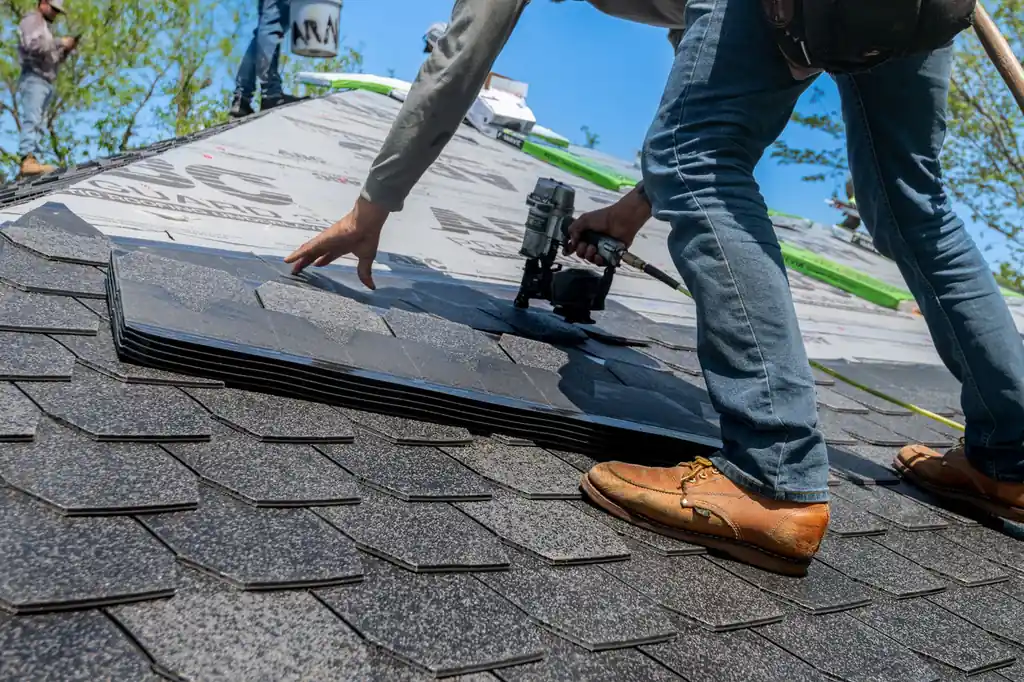
Sealant work at your business
We work around your hours so operations are not disrupted.
Membrane seams
TPO and EPDM seams cleaned and resealed.
Roof drains
Flanges resealed and flow verified.
HVAC curbs
Curb flashing and penetrations sealed.
What Roof Sealant Application in San Marino, Texas Involves
Sealing the right points on a roof stops the small leaks that turn into big bills. We find the source, seal it properly, and test it before we leave.
Roof Sealant Application in San Marino, Texas is the process of cleaning, priming and sealing the joints, penetrations and edges where water gets in. We work the flashing around chimneys and skylights, the pipe boots, the valley metal, and the exposed fasteners on metal panels. Sealant alone is not a fix for hail damage or a failed underlayment, so we check the deck first with a moisture meter and infrared thermal imaging camera before we open a single tube.
San Marino sits in the same Central Texas heat cycle that bakes roofs from April through October, then drops into freeze-thaw nights in January. That swing cracks old pipe boots and pulls sealant away from flashing. Most of the calls we run here start as a brown ring on a ceiling or a damp spot near a vent pipe. If you need roof caulking and sealing San Marino homeowners trust, we can inspect and quote the same day.

- What it is
- Sealing joints, flashing and penetrations where water enters.
- When it helps
- Small leaks, aging seals and pre-storm prevention.
- What you get
- Sealed points, a water test and photo records.
How Our Sealant Process Works
Every job follows the same sequence, whether it is one pipe boot or a full commercial roof.
Tools and Methods We Use
Each method answers a different question. Together they leave very little to guess.

Spots wet areas that have not yet stained the ceiling, so we catch leaks earlier than a visual inspection alone.

Traces water paths on flat and low-slope roofs where the entry point is not obvious from the surface.
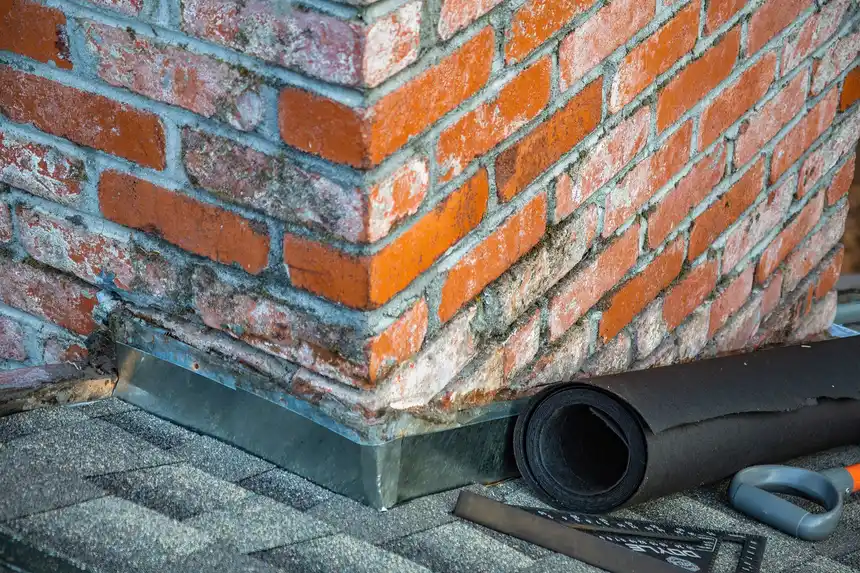
Confirms the leak source by directing controlled water at suspect areas and checking inside for moisture.
Lays a consistent bead of sealant at the correct thickness on flashing, boots and seams.
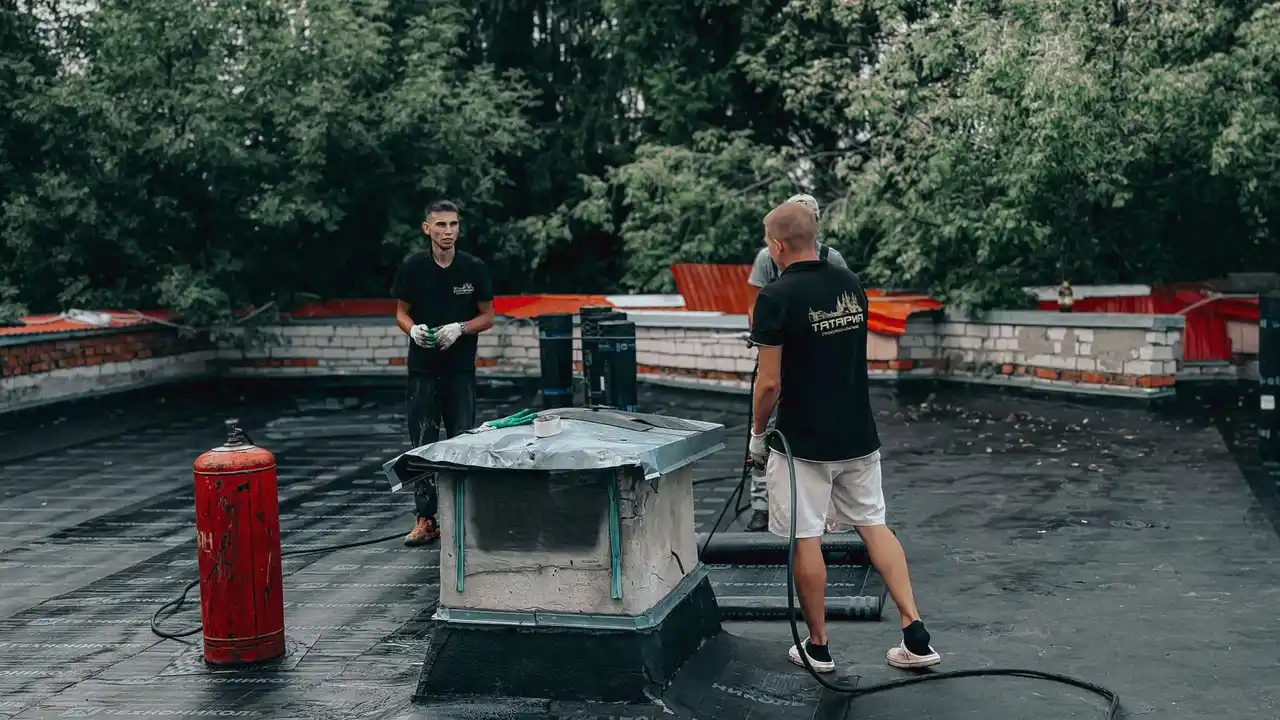
When to Call for Sealant Work
You see a brown water stain spreading on a ceiling after a storm.
We inspect the roof above the stain, trace the entry point with a moisture meter and infrared camera, and seal the source.
HomesYour roof is 8 to 12 years old and you want to prevent leaks before they start.
We walk the roof, check every penetration and flashing point, and reseal the high-wear areas before they fail.
HomesYou just bought a home and the inspection flagged old caulk at the flashing.
We inspect the flagged areas, confirm whether they are actually leaking, and reseal what needs it.
HomesA commercial flat roof is leaking at the seams and around the drains.
We inspect the membrane, seal the failed seams and drain flanges, and water-test the repair. Work is scheduled around your business hours.
Businesses
How Sealant Work Runs in San Marino
San Marino roofs take a specific beating. Summer surface temperatures on a dark shingle roof regularly hit 150 degrees or more, then drop 60 degrees overnight in winter. That cycle dries out cheap caulk and cracks rubber pipe boots within a few years.
Stone Oak
Larger homes with complex rooflines mean more valleys, dormers and flashing points to seal. We see a lot of chimney and skylight flashing failures here.
Alamo Ranch
Newer construction with architectural shingles. Pipe boots and vent collars are the most common leak points once the roofs hit the 8 to 10 year mark.
Downtown and Southtown
Older homes with a mix of flat and pitched roof sections. Flat roof seams and drain flanges need sealant work more often than the pitched sections.

- Stone Oak
- Alamo Ranch
- Downtown and Southtown
- Monte Vista
- Converse and Live Oak
From problem to finished result.
Slide to compare the photo with an illustrative inspection view. It is generated from the photo, not a measurement.
 Photo
Cracked Pipe Boot Resealed in Stone Oak
Before: A homeowner noticed a brown ring spreading on the ceiling of a back bedroom after every storm. The pipe boot on the roof above had cracked through the rubber collar, and the base seal had dried out completely. Water was running straight down the pipe into the attic insulation.
After: We replaced the boot, cleaned and primed the base, and sealed it with a high-temperature silicone. A hose test confirmed no water was getting through. The ceiling stain stopped growing within a week, and the customer scheduled a full roof reseal for the following spring.
Chimney Flashing Sealed in Monte Vista
Before: A historic home had water running down the chimney chase and showing up as a stain on a first-floor wall, far from the chimney itself. The counter-flashing had pulled away from the masonry, and the step flashing was rusted at the edges. The homeowner had already tried caulking it twice with no luck.
After: We cleaned the flashing edges, replaced the rusted step flashing, and resealed the counter-flashing with polyurethane rated for masonry. We also repointed the mortar joints where they were letting water in. A water test confirmed the leak was gone, and the interior stain was treated and removed.
Flat Roof Seams Sealed in Downtown
Before: A commercial building with a TPO membrane roof was leaking at the seams and around two roof drains. Every heavy rain sent water into the ceiling tiles of a tenant space below. The building manager had patched it twice with a hardware-store product that failed within months.
After: We cleaned the failed seams, resealed them with a membrane-rated sealant, and resealed the drain flanges. We also cleared a partially clogged drain that was backing water up under the membrane. A water test on both drains confirmed proper flow, and the tenant space has stayed dry through two storm seasons.
Roof Problems Sealant Application Solves
Most leaks we see in San Marino start at a joint, a penetration or a seam.
Cracked pipe boots letting water into the attic
A cracked boot lets in a steady trickle every storm, soaking insulation and staining the ceiling below.
Chimney flashing pulling away from the masonry
Water runs behind the flashing and down the chimney chase into the attic or wall cavity.
Valley metal seams opening up
Valleys carry the most water on the roof, so a failed seam there leaks heavily in a downpour.
Exposed fasteners on metal panels backing out
Fasteners that have lost their gaskets let water run straight into the panel lap.
Why Seal Now Instead of Waiting
A tube of the right sealant costs a fraction of a deck replacement. Here is what a proper application buys you in San Marino.
Stops Leaks Before Drywall
A cracked pipe boot or open flashing seam lets in a few ounces per storm.
Extends Roof Life
Sealant on exposed fasteners, ridge caps and valley metal slows the wear that shortens a shingle or metal roof's service life.
Handles Texas Heat Cycles
Standard hardware-store caulk dries out and pulls away within a summer here.
Cheaper Than Water Damage
Sealing a handful of penetrations runs a small fraction of what it costs to replace soaked decking, insulation and stained ceilings.
What Sealant Work Costs
A single pipe boot reseal sits at the low end. A full roof with multiple flashing points, valleys and vent collars lands higher.
Included
Quoted after a first look
- Full Roof Inspection
- Surface Cleaning and Prep
- Sealant Application at Penetrations
- Water Test Verification
What changes the scope
Quoted after a first look
- Number of penetrations
- Roof pitch and access
- Surface prep required
- Sealant type
What you receive
Clear records you can keep and share.
Inspection findings
Where water is entering and why.
Photo records
Before and after of every sealed area.
Written summary
What was sealed and what to watch.
Local Roof Leak Experience You Can Use
Our technicians work roofs across the San Antonio area every week, from asphalt shingle to standing seam metal to flat TPO membrane.
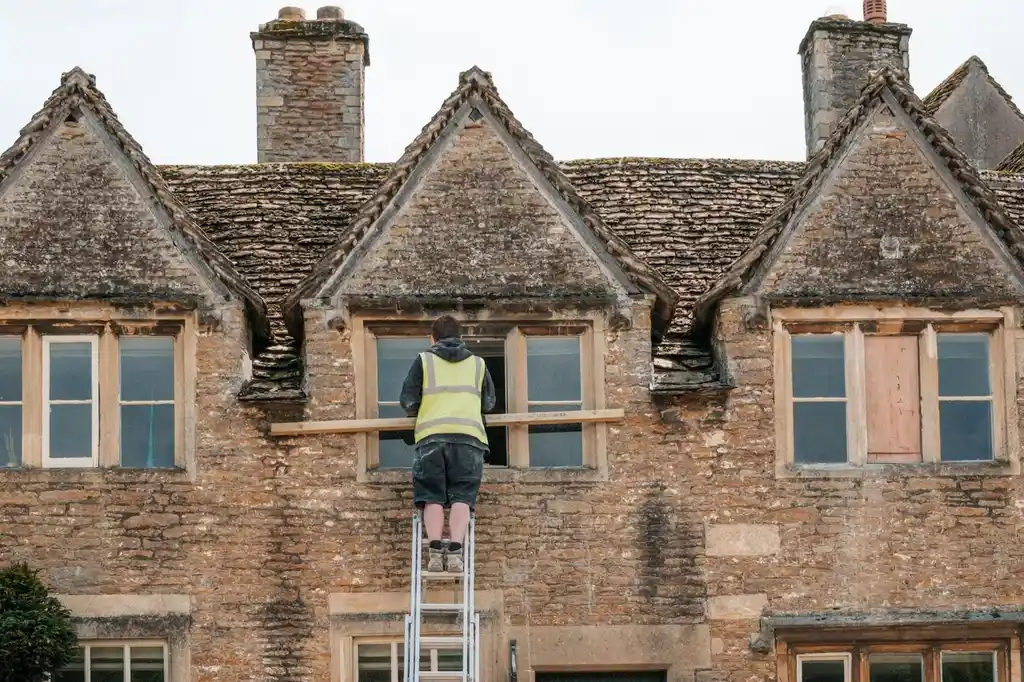
Moisture readings
A meter shows how far water has spread into decking and insulation.
Thermal scan
An infrared camera reveals wet areas that have not stained yet.
Water test
Controlled water on the sealed area confirms the repair holds.
Towns we serve.
Based in San Marino and covering the places around it. Pick one for local details.
What San Marino Customers Say
I had a brown ring on the ceiling for two months and could not figure out where it was coming from. Their tech ran a moisture meter and found a cracked pipe boot in about 20 minutes. Sealed it and replaced the boot. No more stain, no more leak, and the price was exactly what they quoted.
We manage a small commercial building with a flat roof that leaked at the seams every time it rained. They sealed the membrane seams and the drain flange, then water-tested it before they left. Two storm seasons later, still dry. They also sent photos of every area they worked on.
I called three roofers and two of them tried to sell me a full replacement. This crew actually got on the roof, checked the flashing around my chimney, and told me the shingles were fine. They resealed the counter-flashing for a fraction of what the others quoted. Honest work.
Frequently Asked Questions
Short answers for the first few minutes. The team can cover the rest.
Still have a question?
Describe what you are seeing and we will point you to the right next step.
2109395773A single pipe boot reseal sits at the low end. A full roof with multiple flashing points, valleys and vent collars lands higher. Flat commercial roofs are quoted per square after we measure.
Yes, when the leak is at a flashing joint, pipe boot, fastener or seam, sealant stops it. If the water is coming through cracked tile, hail-bruised shingles or a torn underlayment, sealant will not fix it and we will tell you so. We confirm the source first with a moisture meter and hose test before quoting.
A single-area job takes two to four hours. A full residential roof with multiple penetrations usually runs one day. Cure time depends on the product and the weather, typically a few hours to 24 hours before the sealant is fully set. We schedule around rain so the bead has time to skin over.
For most San Marino roofs, a high-solids silicone or polyurethane sealant rated for UV and high surface temperature is the right call. Polyurethane bonds better to concrete tile and masonry. We match the product to the surface instead of using one tube for everything.
Related Roof Services
Other services from the same team.
- Roof Underlayment RepairFailed underlayment is the hidden cause behind many tile and shake roof leaks.
- Roof Sheathing RepairWhen water has rotted the roof deck, we cut out the damaged sheathing and sister in new plywood…
- Roof Deck RepairRoof deck repair covers the structural sheathing and the framing below it.

Get Roof Sealant Application in San Marino, Texas
2109395773Call us and we will get an inspector on your roof, find the entry point, and quote the sealant work the same day.
Call for a roof leak inspection
Call 210-939-5773 and tell us where the water is showing up. We answer the phone during business hours and schedule most inspections within a day or two. If the leak is active, say so and we will move you to the front of the line.